
The ongoing artificial intelligence boom is fueling a surge of ultra-high-net-worth buyers in Silicon Valley, generating record activity in the region’s luxury real estate market. At the s...

In North Houston, Texas, More Sellers Are Paying to Get Out of Their Homes

Written by:
Date:
14 Sep 2026
Share via Facebook

Share via Linkedin

Share via X

Copy to clipboard

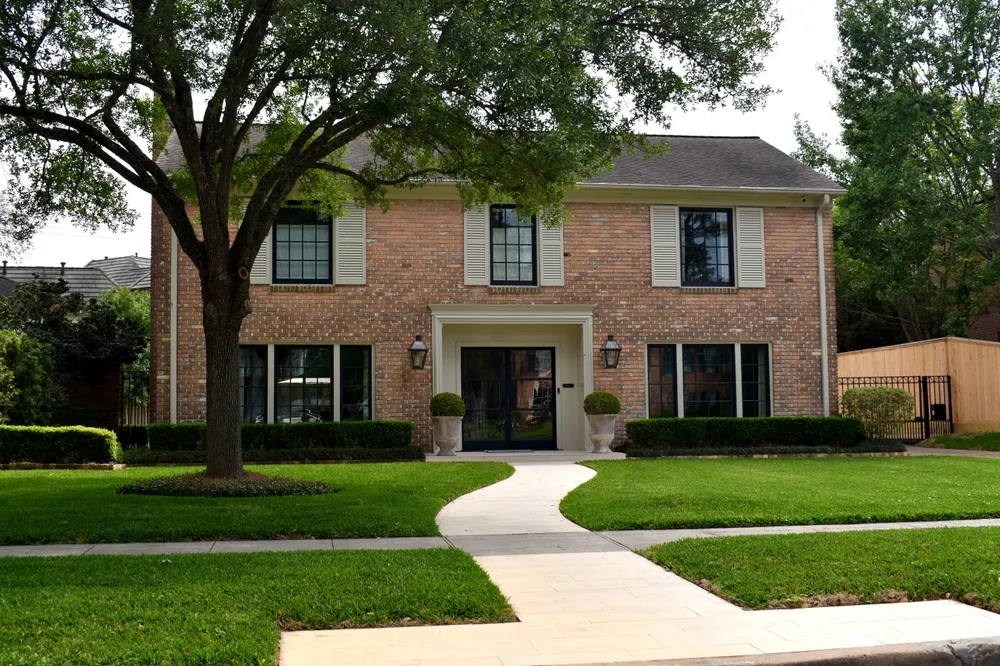
Across much of the Houston metro, homeowners who bought during the pandemic-era run-up are discovering that the math no longer works in their favor. Some are bringing cash to the closing table just to complete a sale. Others are entering short sale territory. And a growing number are competing not just with each other but with builders offering financing incentives that resale properties cannot match.
Roze Swartz, a Redfin agent with 10 years of experience and more than 400 transactions across the Houston area, says the shift has accelerated noticeably over the past 18 months. “I’ve had more sellers bring money to closing than I have since before 2023,” she says. Many sellers spent months waiting to break even, but Swartz says the patience has run out. “Now they’re just like, ‘I’m done waiting. I’ll pay to get out of this house.'”
Builders Are Setting the Terms
One of the clearest pressures on resale sellers in North Houston is the volume of builder incentives flooding the market. Swartz says the discounting has intensified, not eased. Builders are offering below-market interest rates, closing cost assistance, and other financial incentives through their in-house lenders, packages that external lenders struggle to match.
The sales process is aggressive too. Swartz describes sitting in on meetings where a buyer expresses mild interest in a new-build home, only for the on-site sales associate to immediately run a side-by-side comparison showing the monthly payment difference between the builder’s rate and a conventional one. “They’re putting it in their face really aggressively so that buyers really see the difference,” she says. When buyers then look at resale listings, the builder’s numbers stay in their heads, making resale properties in communities near active construction harder to move regardless of condition or price.
Insurance Costs Are Forcing Decisions
Rising insurance premiums have become another pressure point pushing homeowners toward selling. Swartz points to three consecutive years of severe storms – 2021, 2022, and 2023 – that made insurers reluctant to cover Houston-area homes at affordable rates. Even newer homes with no claims history are seeing high premiums.
Swartz says 2024 and 2025 were the worst years for insurance costs in her market. Conditions have improved slightly in 2026, but the cumulative effect has already forced decisions. “I’ve sat down with sellers, and they say, ‘My taxes are going up, my insurance is going up, and I can’t afford it anymore, so I need to downsize,'” Swartz says. The owners hit hardest tend to be those who were financially stretched when they originally purchased, households where a doubling of insurance premiums tips the budget from tight to unworkable.
Life changes compound the pressure. Swartz says she is handling more divorce cases and situations where a spouse has passed away, leaving one person to manage costs that were built for two incomes. Higher insurance is often the final factor that pushes those homeowners to sell.
Some owners in areas where flood insurance is not required have dropped that coverage entirely to cut costs. A few, Swartz says, have canceled homeowners insurance altogether while trying to sell, hoping to close before anything happens.
Buyers Have the Leverage
Even well-presented properties are sitting. Swartz says 30 to 60 days on market is now a baseline expectation she sets with clients, with many listings stretching to 60 or 90 days. The only homes moving faster are those with a genuinely distinctive feature, a pool where neighbors do not have one, a three-car garage in a community of two-car garages, or those priced aggressively below comparable listings.
A recent transaction in The Woodlands illustrates the dynamic. A luxury remodel drew strong showing traffic but no quick offers. Buyers nitpicked ceiling heights, patio size, and minor details. After a price reduction, the sellers received an offer below list and then faced a credit request during inspections. “If this house had come on the market during COVID times, it would have been in multiple offers, and we would never have had to negotiate all these little things,” Swartz says. The sellers, motivated by a relocation to California, made significant concessions to close.
Swartz says the pattern holds across price ranges. Buyers at $150,000 and buyers at $2 million are equally price-conscious. “Everything’s expensive right now, so people really want to make their dollars stretch as much as possible,” she says. A buyer willing to make a quick offer at asking price is now the exception, not the norm.
For investors considering North Houston, Swartz advises patience and flexibility on location. Areas that seem less desirable on the surface sometimes offer stronger returns, she says, and rushing into a deal in a slow market often means overpaying. “It’s better to just stay patient, run the numbers, and make sure it really makes sense,” she says.
The Flood Risk Narrative Is Overstated
National coverage has portrayed Houston as a city people are leaving over flood risk. Swartz says that narrative does not match what she sees. Houston has not had a significant flooding incident since 2022, she notes, while states like Ohio, New York, and New Jersey have experienced flooding more recently. “Houston can deal with a lot of rain. They can deal with a lot of wind. We get back to normal right after it passes,” she says.
The real draw for north Houston remains intact, according to Swartz: strong schools, a diverse job base anchored by the oil and gas industry, and steady corporate relocation bringing new residents from across the country. Buyers continue arriving, but they are arriving into a market where they hold the negotiating advantage, and they are using it.
As for the broader trajectory, Swartz sees the trend of underwater sellers continuing. She is closing roughly 50 deals a year and encountering more short sales and distressed situations than at any point since before 2023. “Unless the market improves and prices really go up, I think we’ll see more of that,” she says. “Unfortunately.”
About the Expert: Roze Swartz is a Redfin agent with 10 years of experience covering North Houston, Texas.
This article is based on information provided by the expert source cited above. It is intended for general informational purposes only and does not constitute legal, financial, or real estate advice. Readers should conduct their own research and consult qualified professionals before making any real estate or financial decisions.
Similar Articles
Explore similar articles from Our Team of Experts.