

The northern New Jersey real estate market is undergoing a dramatic change as a severe inventory shortage forces both buyers and sellers to adjust expectations and strategies. In Bergen and ...

New Class A Apartments in Sunbelt Markets Are Struggling to Fill Up

Written by:
Date:
14 Sep 2026
Share via Facebook

Share via Linkedin

Share via X

Copy to clipboard

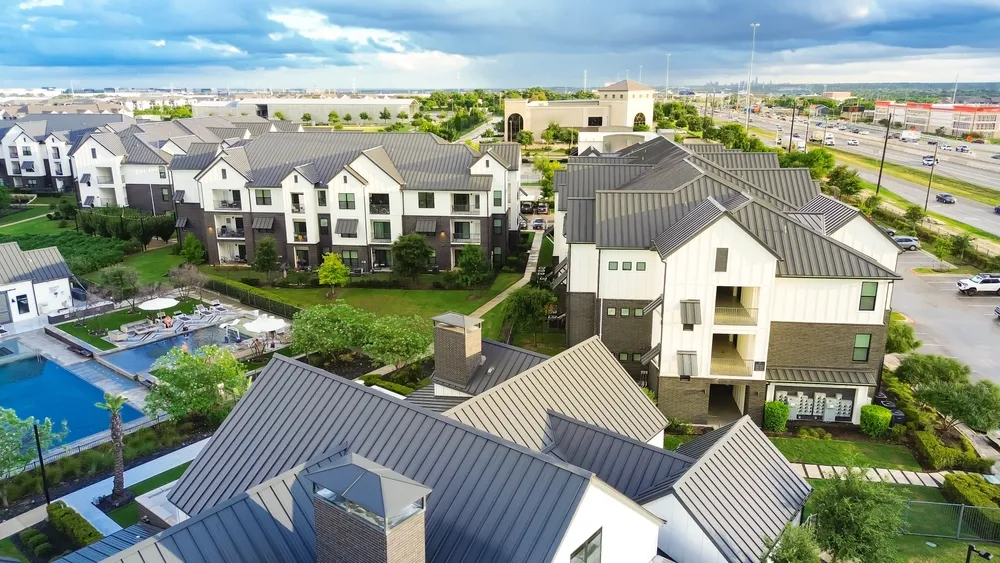
The U.S. rental market built aggressively during the pandemic era, particularly in Sunbelt cities like Nashville, Austin, and Dallas. Now much of that new inventory, especially high-end apartments, is sitting partially empty, competing for renters whose budgets have tightened considerably since construction began.
The disconnect is straightforward: developers built expensive Class A apartments in markets that attracted renters partly because of their relative affordability. As those units come online, they’re entering a market where more than 22 million renters already spend over 30 percent of their income on housing, and over 11 million spend more than half, according to Apartment List data. The supply arrived, but the income to support it hasn’t kept pace.
Where the Vacancy Problem Is Concentrated
Not all markets are struggling equally. According to Matthew Woods, CEO of Apartment List, a rental marketplace, the recovery is playing out unevenly across metros.
San Francisco rebounded faster than most expected. Woods attributes this to the buildout of AI and technology jobs in the Bay Area, which drove demand back more quickly than anticipated. The contrast with Sunbelt markets is stark. Four or five years ago, finding an apartment in Nashville, Austin, or Dallas was difficult. Now vacancy in those cities remains elevated, and the properties having the hardest time are new construction at the highest end of the quality spectrum.
“Net new supply that is nicer and more expensive oftentimes is more challenged,” Woods says. Some operators have adjusted by building at lower costs to meet actual demand, but the broader pattern holds: expensive new inventory is filling slowly because the renter pool that can afford it hasn’t grown to match supply.
For renters in these markets, the surplus creates leverage; more units competing for tenants means greater negotiating power on lease terms and concessions than at any point in the past several years.
Operator Mood Is Neutral, Not Negative
Woods describes the current landlord mindset as “fairly mundane, fairly neutral, not negative, not positive.” Occupancy metrics are starting to move in operators’ favor, but interest rates remain high, and operating expenses continue to grow, creating pressure from both sides.
The result is a more disciplined approach to marketing spend. Rather than broad campaigns, operators increasingly want measurable, guaranteed returns on what they spend to fill units. “Landlords are becoming more and more disciplined about their marketing spend,” Woods says. That discipline is pushing operators toward success-based pricing models generally, paying only when a renter is actually placed, and away from speculative advertising budgets, a shift Woods says favors platforms that can demonstrate direct placement outcomes over those selling impressions or leads.
Renters Are Stretched Thinner Than Headlines Suggest
The affordability pressure on renters goes deeper than flat or declining headline rents might imply. Rent growth has outpaced income growth nationally. According to data Apartment List tracks through a partnership with a rent-payment platform called Flex, nearly one in three renters reported not consistently having enough income available when rent came due, and nearly three in four experienced an unexpected budget strain that challenged their ability to pay.
“More than half of Americans are living paycheck to paycheck today,” Woods notes. “Finding a place that you can afford and a place that you love takes more and more time.”
For renters spending more than 30 percent of income on housing, the practical consequence is that a mismatch between what they can afford and what’s available extends their search timeline considerably. That’s part of what’s pushing rental platforms broadly toward more structured intake, asking about budget, amenities, neighborhood, and proximity to jobs or schools upfront, to narrow options before renters spend time touring, rather than leaving renters to filter through listings unassisted.
AI Is Reshaping the Search Process
Woods argues that people outside the rental category underestimate how much technology is changing the transaction; search coordination, tour scheduling, and matching are increasingly handled by AI tools rather than manual back-and-forth between renters and leasing staff. Apartment List is one company building in this direction, with tools aimed at reducing the burden of scheduling tours across multiple properties and reshaping how renters are qualified before they visit.
“I think if you’re not close to this category, you continue to see rentals as this kind of last frontier where innovation is not happening,” Woods says. “But that’s not the case at all.”
The practical effect, according to Woods, is that better-qualified renters arrive at properties more ready to move, which supports the shift toward success-based pricing models more broadly: properties receive fewer unqualified inquiries, and renters spend less time on visits that don’t match their criteria.
What Comes Next
Looking ahead, Woods identifies three factors he’s watching on the renter side: the job market, wage growth relative to rent, and how AI continues changing search behavior. On the operator side, he sees cost management as the defining discipline.
“The operators that are seeing the greatest success right now are being very thoughtful about how they’re managing costs to ensure that their operating costs are coming down as the market is getting tighter and tighter,” he says.
For renters navigating this market, the combination of elevated vacancy and tightening operator budgets creates a window where concessions and flexibility remain available, particularly in Sunbelt markets where Class A supply still exceeds qualified demand. How long that window lasts depends on whether job growth and wages close the gap with what new inventory costs to rent.
About the Expert: Matthew Woods is CEO of Apartment List, a rentals marketplace tracking vacancy, affordability, and renter behavior across U.S. markets.
This article is based on information provided by the expert source cited above. It is intended for general informational purposes only and does not constitute legal, financial, or real estate advice. Readers should conduct their own research and consult qualified professionals before making any real estate or financial decisions.
Similar Articles
Explore similar articles from Our Team of Experts.