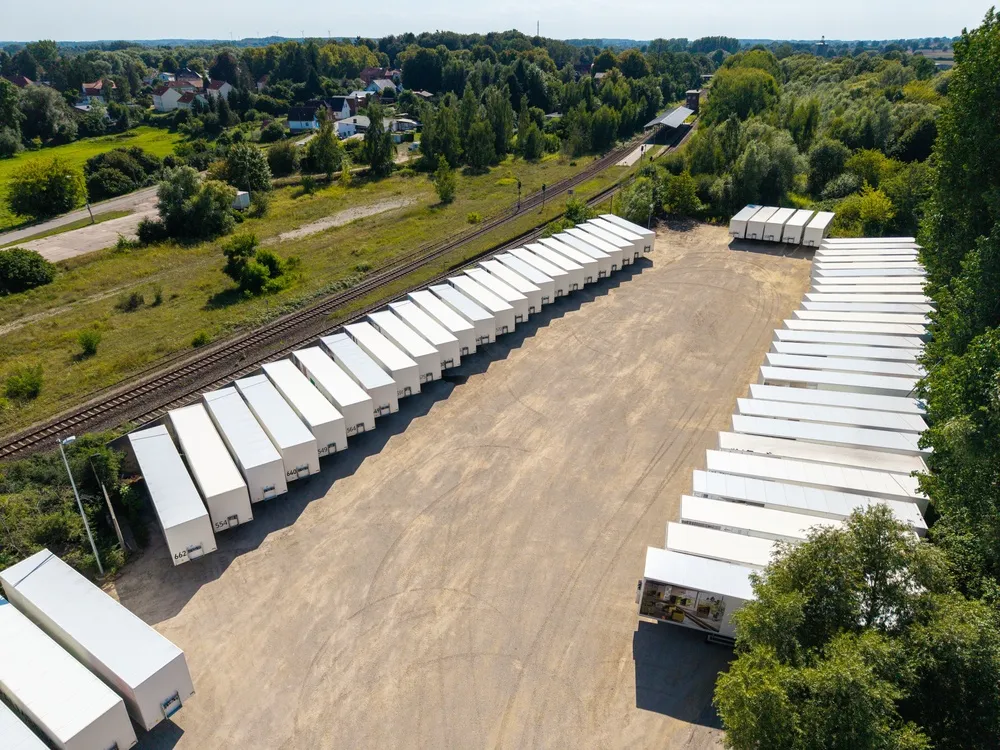
When investors evaluate an industrial property, they typically see one rent figure attached to one building. The yard – the paved or unpaved land surrounding that building – gets bundled into the deal as though it were incidental. At firms specializing in industrial outdoor storage, analysts argue this is a mispricing. The land itself generates separate, quantifiable value that most buyers never isolate. In Texas markets where outdoor yard space is in genuine demand, that oversight means investors are either overpaying for buildings or undervaluing the ground beneath their feet.
Savva Zakharov, an Acquisitions Analyst at Outour Storage Investments, a Miami-based firm investing in outdoor storage sites across major U.S. markets, describes the firm’s thesis directly: “The land component of the industrial sector is undervalued.” Rather than pricing a property as a single unit, his firm separates the revenue into two streams: the building and the excess yard.
Splitting the Rent Changes the Math
Traditional industrial underwriting prices the entire property based on building square footage and comparable lease rates. The yard – which might represent more land area than the building footprint – gets treated as an amenity rather than a revenue-generating asset.
Zakharov’s firm takes the opposite approach. “We disaggregate the rent and look at it as a building and an excess yard sort of component,” he says. That separation reveals something specific: tenants who need large outdoor yards – trucking companies, heavy equipment firms, material storage operations – are often paying rent keyed to the building alone, which means the land they actually use most is effectively discounted or free.
For a smaller investor evaluating Texas industrial properties, this reframe matters. A site with a modest warehouse but two acres of fenced, paved yard may look unimpressive by traditional industrial metrics. But if the tenant’s operations depend on that yard – if the yard is where the revenue-producing activity actually happens – then the land carries value that a building-only underwriting model misses.
Not Just a Parking Lot
The most common misconception Zakharov encounters is reductive. People hear “outdoor storage” and picture a place to park cars. In reality, he says, “there are so many sub niches within the niche of iOS that people don’t realize.” Heavy equipment staging, construction material laydown, fleet maintenance yards, utility contractor bases – these operations all require outdoor land with specific characteristics: heavy-duty paving, proper drainage, adequate ingress for large vehicles, and appropriate zoning.
Each sub-niche has its own tenant profile, rent tolerance, and risk characteristics. A fleet yard leased to a well-capitalized logistics company is a fundamentally different investment than a materials yard leased to a small local contractor. Understanding which tenant types can sustain yard-specific rent over time is where the underwriting challenge lives.
Zakharov describes one recent deal where a dog care facility occupied an industrial outdoor storage site and paid below-market rent. The tenant simply did not generate enough revenue from the location to justify what the yard was worth to a higher-use operator. His firm looks for tenants “that are producing revenue on the location” – companies whose business models depend on outdoor yard access and who can support longer lease terms at appropriate rates.
Where This Gets Difficult
Isolating yard value sounds clean in theory, but the practice carries risk. Environmental issues are the primary deal-killer in this space, according to Zakharov. Industrial yards that have hosted heavy materials, fuel storage, or chemical operations may carry contamination liabilities that erase whatever value the land-rent separation revealed. Zoning constraints can also limit what a future tenant can legally do on the yard, capping upside.
There is also an inspection problem. Zakharov describes cases where third-party inspectors walk the property but fail to assess fence conditions, skip building interiors, or provide incomplete reports – forcing additional inspections that add cost and delay. “Sometimes the people who do visit the sites are just not doing a full enough job to give us a complete picture,” he says. For a smaller investor without a dedicated team to catch these gaps, relying on a single inspection to confirm site condition is a gamble.
Financing Constraints Are Tightening
Investors expecting favorable lending terms as the category attracts attention may find the opposite. Zakharov says lenders are filling their allocation buckets for industrial outdoor storage and cannot deploy unlimited capital to the sector. Even when a deal is strong, a lender may decline because they have hit their internal mandate for the asset class. Competition among buyers has increased, but the capital available from any single lender has not kept pace.
In Texas markets – Houston, Austin, Dallas – the tenants who need outdoor yard space are leasing it whether or not investors have properly isolated that value. The question for a smaller investor is whether to keep pricing these sites by the building alone, or to recognize that the surrounding land may be the asset worth underwriting separately.
About the Expert: Savva Zakharov is an Acquisitions Analyst at Alto, a Miami-based investment and management firm focused on industrial outdoor storage.
This article is intended for informational purposes only and does not constitute legal, financial, or investment advice. The views and opinions expressed herein reflect those of the individuals quoted and do not represent an endorsement of any company, product, or service mentioned. Readers should conduct their own due diligence and consult qualified professionals before making any investment decisions.
A new breed of mid-sized real estate operators is emerging, combining institutional-grade expertise with the agility to pursue opportunities across specialty housing sectors, according to on...
While much of the nation grapples with market uncertainty and growing inventory, Connecticut faces a persistent and intensifying housing shortage that shows no signs of easing, according to ...
Real estate CEO Daniel Kaufman argues that following institutional capital into hot markets is a recipe for underperformance. His firm’s early exits from now-oversupplied markets illustrat...
The landscape of hotel buyers in 2025 defies conventional wisdom, with well-capitalized local operators competing alongside institutional players for select opportunities, according to a lea...
Banks price foreclosure homes to attract owner-occupants, but most of those homes cannot pass the appraisals that owner-occupants need to get a mortgage. The result, according to Janet Knopp...
Most property owners think of their buildings in terms of square footage on the ground. The walls, the floors, the parking lot – that is the asset. But aviation infrastructure advisors wor...