

Miami-Dade County’s transparency database lets buyers research building finances before making offers, in contrast to Florida law, which requires buyers to sign a contract before acces...

Rising Insurance Costs Push Florida Homebuyers to New Builds: 300 Homes Sold in Just Six Months

Written by:
Date:
25 Aug 2025
Share via Facebook

Share via Linkedin

Share via X

Copy to clipboard

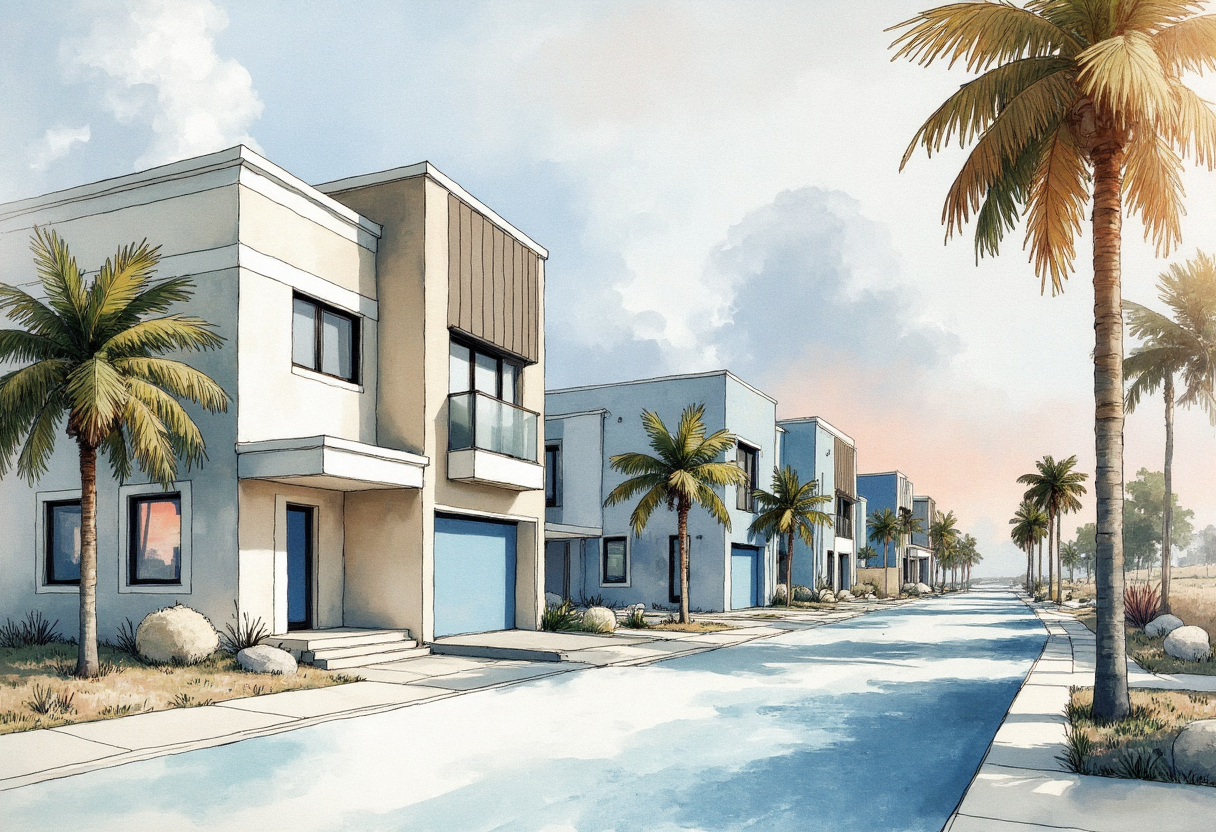
A dramatic shift toward new construction is reshaping Florida’s real estate market, driven largely by buyers seeking to avoid escalating insurance costs on older properties, according to one local expert.
“What we’re seeing is people, families want new construction, they want lower insurance,” says Olivia Catanese, team leader at Coldwell Banker‘s 30A division. “With these older homes, they get a higher insurance premium.”
The Scale of the Shift
The numbers tell a compelling story about this transition. “Between January and now, 300 new homes were built in Niceville, Florida,” Catanese reports, highlighting the significant scale of new construction activity in just one market area.
This surge in new construction comes as buyers increasingly factor total cost of ownership – not just purchase price – into their decisions. Insurance costs have become a major consideration, often tipping the scales in favor of new builds despite potentially higher upfront costs.
Market Response
The development community has responded rapidly to this shift in buyer preferences. Catanese notes that new communities are being designed with features that appeal to both the practical concerns about insurance costs and broader lifestyle preferences.
“What we’re seeing is new developments. Families want into new builds, bigger homes, more space with their lots,” she explains. This trend appears particularly strong in areas serving military families and primary residents rather than vacation homebuyers.
Price Point Patterns
The new construction trend is particularly visible in certain price ranges. “About 63% of homes in Niceville sold between $565,000 and $465,000,” Catanese reports, suggesting this represents a sweet spot where new construction can still deliver value while offering insurance cost advantages.
This price range appears to align well with local buyer budgets and preferences, particularly among primary residents rather than investors or second-home buyers.
Solutions Through Innovation
Developers and builders are adapting their approaches to meet this evolving demand. Catanese notes that new communities are being designed with features that not only help manage insurance costs but also appeal to contemporary buyer preferences.
Looking ahead, Catanese suggests this trend toward new construction could continue to reshape market dynamics: “I think it could be a silver lining. I think there is the light at the end of the tunnel here.”
However, she cautions that success in this evolving market requires understanding both the immediate appeal of new construction and its long-term implications for buyers: “We’ll just have to kind of be patient and be realistic.”
Similar Articles
Explore similar articles from Our Team of Experts.