

The real estate playbook says to trade up: sell smaller properties, buy bigger ones, chase institutional-grade assets with stable cash flows. Alejandro Gershanik of BM2 Realty, is tearing up...

Owning Still Beats Renting: Real Estate Leader Cites Health and Happiness Data

Written by:
Date:
07 Oct 2025
Share via Facebook

Share via Linkedin

Share via X

Copy to clipboard

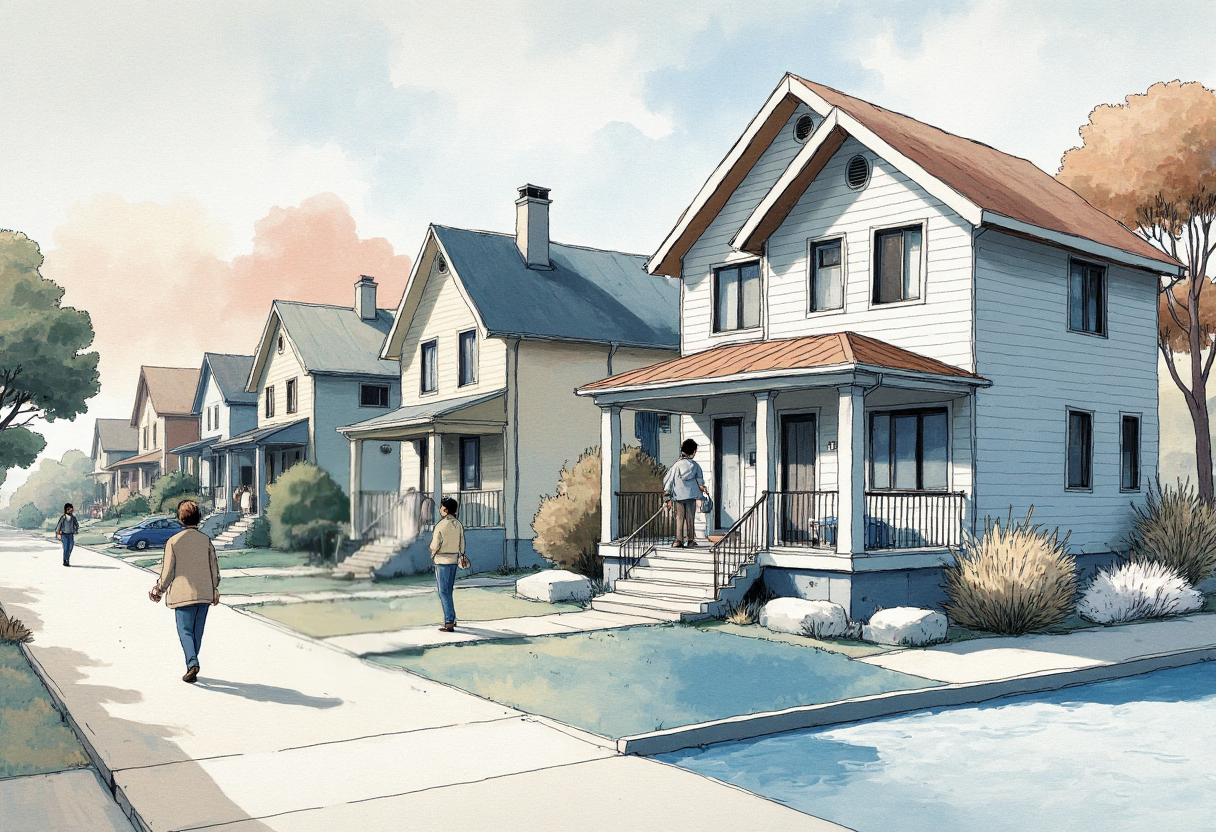
The trend toward delayed homeownership could have serious societal implications beyond just housing markets, according to Kent Keirsey, Co-Founder of Acre Homes, who points to research showing broad benefits of property ownership.
“People that own their homes, they’re more likely to vote, they’re more likely to invest in communities. They’re certainly more likely to take better care of their property. They live longer lives, happier and healthier lives,” Keirsey says.
The Community Impact
As younger generations push homeownership into their late 30s, Keirsey argues communities lose out on engaged, invested residents. “We do think there’s real value in owning your home and where you live and having a sense of ownership in your home so you can put down roots and invest in where you live,”he notes.
This shift toward what some call a “renter nation” isn’t driven by preference, Keirsey argues, but by outdated housing products that haven’t evolved with consumer needs. “What we have is a problem of product innovation around that home ownership experience,” he says.
The Investment-Community Balance
While institutional investment in housing has drawn criticism, Keirsey suggests the right models can align investor and community interests. “We’re on a mission to protect the American dream here. We’re not boxing anybody out of home ownership,” he explains.
His company’s approach involves partnering with residents who share in property appreciation. “We’re actually partnering with great American families that want to buy a home and share on the appreciation, but just want more flexibility,” Keirsey says.
New Models Emerging
Through Acre Homes, Keirsey is developing ownership structures that aim to preserve community benefits while addressing modern challenges. The company has found particular interest from previous homeowners who understand both the benefits and drawbacks of traditional ownership.
“Two-thirds of our residents were previous homeowners,” Keirsey notes. “They knew the numbers cold, they know that their full monthly payment is not just their principal and interest.”
Similar Articles
Explore similar articles from Our Team of Experts.