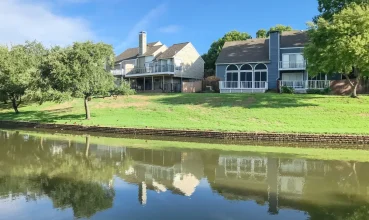

Buyer activity in New Jersey shore communities has declined sharply over the past four years. Properties that once attracted 20 to 30 competing offers now typically receive only two or three...

Looser ADU Regulations in Idaho Spark Growth in Alternative Housing, Says Investor

Written by:
Date:
26 Sep 2025
Share via Facebook

Share via Linkedin

Share via X

Copy to clipboard


Recent zoning changes in Boise have created new opportunities for alternative housing development, with both ADUs (Accessory Dwelling Units) and co-living arrangements gaining traction among investors, according to Jonna Weber, founder of the Idaho Real Estate Investor Network.
Regulatory Shifts Drive Opportunity
“Boise recently revamped their whole code, zoning codes, and so it’s making it much more easier for people to put ADUs on their properties,” Weber says. “They’ve lowered the lot restrictions.” These changes are opening up new possibilities for property owners and investors alike.
Weber points to one developer in her network who has built an entire business model around these regulatory changes. “I have one friend in our community that that’s his whole thing right now is development of land, lot splits and ADUs and building new construction on the new lots,” she says.
The Rise of Co-Living
Parallel to the ADU trend, co-living arrangements are gaining unprecedented attention from investors. “The word co-living didn’t even really exist a few years ago,” Weber notes, “and now, especially when I have newer investors coming to the group, that’s a buzzword I hear in almost every conversation.”
Navigation Challenges
However, Weber cautions that success in alternative housing development requires extensive local knowledge. “You gotta have a community, and you gotta have a guide, either have a guide or really be ready to get in the trenches yourself and really know what you’re doing,” she advises.
This warning comes from observing costly mistakes. “I’ve also seen a lot of people waste a lot of money and even purchase things without full realization of what they can or can’t do, and then are really struggling and have to come up with a different exit strategy,” Weber says.
Market Response
Weber’s organization, which includes over 5,000 members, has seen increasing interest in educational resources about alternative housing development. Through regular meetups and their upcoming statewide conference, they’re working to help investors understand both the opportunities and challenges in this emerging sector.
Similar Articles
Explore similar articles from Our Team of Experts.